Biologie stromu pro arboristickou praxiTree biology for arboricultural practice
3 500 Kč3,500 CZK
- 26. 2. 202726 February 2027Výuka orientačně 9:00–16:00Classes approx. 9:00–16:00Kapacita 20 míst20 placesRezervovat místoReserve a place
Termín proběhl, nový bude upřesněnPast date, next one to be announced
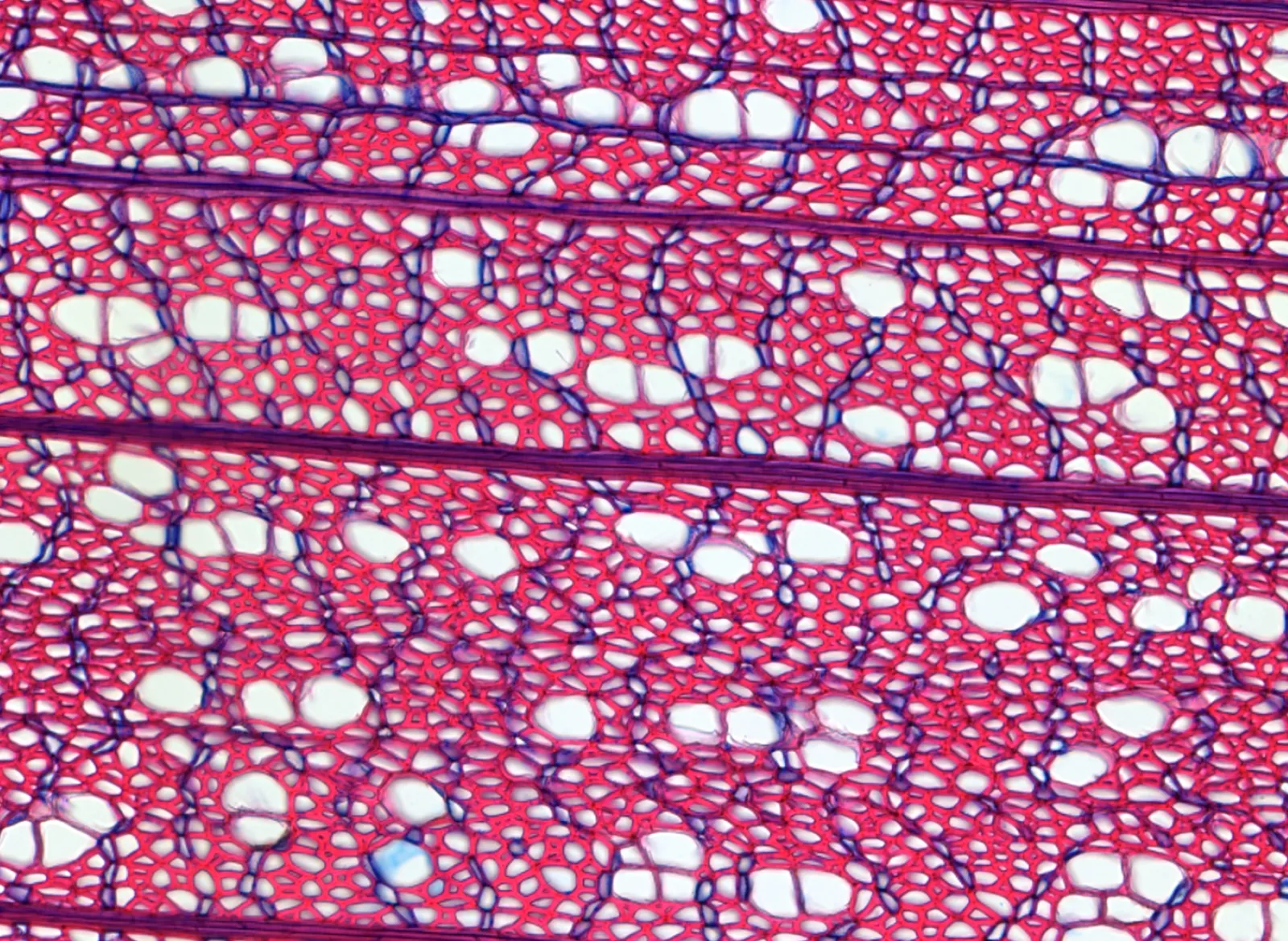
Na každý řez, poranění i jiný zásah strom nějak reaguje. Jak, to záleží na jeho stavbě a na procesech, které v něm probíhají. Za jeden den si projdete, jak strom funguje a co potřebuje k životu, jak roste a co jeho růst řídí, jak vede vodu a ukládá zásoby a jak reaguje na poškození. Podíváte se na pletiva, ze kterých se strom skládá, a na to, čím se jednotlivé druhy liší. U každého tématu si ukážeme, co z něj plyne pro arboristickou praxi. Nejde jen o teorii z obrázků: pracujete se skutečnými vzorky, které si můžete prohlédnout a osahat.Every cut, wound and other intervention triggers a response in the tree. What that response is depends on the tree's structure and on the processes inside it. In one day you go through how a tree works and what it needs to live, how it grows and what controls its growth, how it moves water and stores reserves, and how it responds to damage. You look at the tissues a tree is made of and at how species differ. For every topic we show what it means for arboricultural practice. This is not theory from pictures: you work with real samples that you can examine and handle.
LektorLecturer

Ing. Valentino Cristini, Ph.D.
Zakladatel Tree Care Lab. Začínal jako stromolezec, dnes se jako výzkumník v arboristice věnuje biomechanice stromů a technologickým postupům a podílí se na tvorbě evropských i národních standardů péče o stromy. Na kurzech propojuje poznatky z výzkumu s tím, co arborista potřebuje v terénu.Founder of Tree Care Lab. He started out as a tree climber; today, as a researcher in arboriculture, he works on tree biomechanics and arboricultural techniques, and contributes to European and national tree care standards. In his courses he connects research findings with what an arborist needs in the field.
Osnova kurzuCourse outline
- Jak strom funguje a co potřebuje k životu: světlo, voda, živiny, fotosyntéza a dýchání, strategie dlouhověkosti
- Nadzemní a podzemní část stromu: koruna, kmen a kořenový systém a jak spolu souvisejí
- Růst stromu: primární a sekundární růst, kambium, letokruhy
- Hormonální řízení růstu: apikální dominance, větvení, reakce na řez
- Pletiva dřeva a kůry: vodivá, zásobní a krycí pletiva a jejich funkce
- Vedení vody a živin, ukládání a využívání zásob
- Rozdíly mezi druhy: jehličnany a listnáče, kruhovitě a roztroušeně pórovité dřevo, jádro a běl
- Reakce na poranění: ohraničování poškození, reakční zóny, tvorba kalusu
- Co z toho plyne pro praxi: řez, poranění a další zásahy
- Práce se skutečnými vzorky
- How a tree works and what it needs to live: light, water, nutrients, photosynthesis and respiration, strategies for a long life
- Above-ground and below-ground parts of the tree: crown, stem and root system and how they are connected
- Tree growth: primary and secondary growth, cambium, annual rings
- Hormonal control of growth: apical dominance, branching, response to pruning
- Wood and bark tissues: conducting, storage and protective tissues and their roles
- Water and nutrient transport, storing and using reserves
- Differences between species: conifers and broadleaves, ring-porous and diffuse-porous wood, heartwood and sapwood
- Response to wounding: compartmentalisation, reaction zones, callus formation
- What it means in practice: pruning, wounds and other interventions
- Hands-on work with real samples